
.png)


Mastering the Basics of Podcasting: How to Launch a Podcast Successfully
- Ulrich Von Dran
- Jan 23
- 4 min read

Podcasting has become one of the most popular ways to share stories, ideas, and expertise with a global audience. Whether you want to entertain, educate, or inspire, launching a podcast can be a rewarding creative outlet. However, before you hit record, it’s important to understand the fundamentals that will set you up for success. This guide will walk you through the essential steps and tips for mastering the basics of podcasting.
Understanding How to Launch a Podcast: The Essential First Steps
Launching a podcast involves more than just recording audio. It requires planning, equipment, content strategy, and distribution knowledge. Here are the key elements to consider when you’re ready to start:
Define Your Podcast’s Purpose and Audience
Identify what your podcast will be about and who you want to reach. This clarity will guide your content and marketing efforts.
Choose a Format and Style
Decide if your podcast will be interview-based, solo commentary, storytelling, or a panel discussion. Consistency in format helps build listener expectations.
Plan Your Episodes
Outline your first few episodes with topics, key points, and potential guests. This preparation makes recording smoother and content richer.
Select the Right Equipment
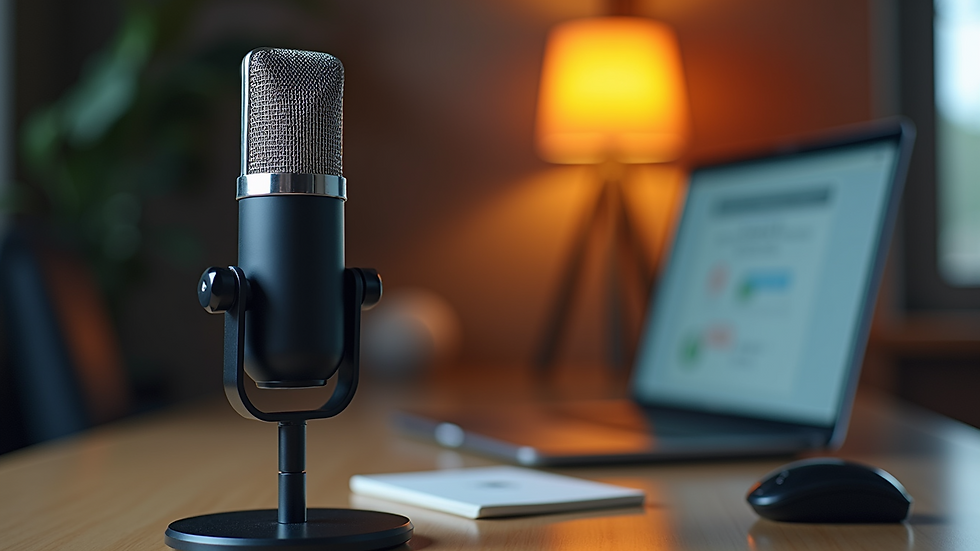
Good audio quality is crucial. Invest in a decent microphone, headphones, and recording software. You don’t need the most expensive gear, but avoid low-quality sound.
Pick a Hosting Platform
Your podcast files need to be hosted on a platform that distributes them to directories like Apple Podcasts, Spotify, and Google Podcasts.
By focusing on these foundational steps, you’ll create a strong base for your podcast to grow and attract listeners.
How Does a Beginner Start a Podcast?
Starting a podcast can feel overwhelming at first, but breaking it down into manageable steps makes it easier. Here’s a beginner-friendly roadmap:
Research and Inspiration
Listen to podcasts in your niche to understand what works and what doesn’t. Take notes on style, length, and topics.
Create a Podcast Name and Branding
Choose a memorable name that reflects your content. Design a simple logo and cover art that stands out in podcast directories.
Write a Podcast Description
Craft a clear and engaging description that tells potential listeners what to expect.
Record Your First Episode
Find a quiet space, use your microphone, and record your content. Don’t worry about perfection; you can edit later.
Edit Your Audio
Use free or paid editing software to remove mistakes, add music, and improve sound quality.
Publish and Promote
Upload your episode to your hosting platform and share it on social media, blogs, and with friends.
Remember, consistency is key. Set a realistic publishing schedule and stick to it to build an audience over time.

Essential Equipment and Software for Podcasting
You don’t need a professional studio to start a podcast, but having the right tools makes a big difference. Here’s what you should consider:
Microphone
USB microphones like the Audio-Technica ATR2100x or Blue Yeti are great for beginners. They offer clear sound and are easy to use.
Headphones
Closed-back headphones help you monitor your audio without distractions.
Recording Software
Audacity (free) and Adobe Audition (paid) are popular choices. They allow you to record, edit, and enhance your audio.
Pop Filter and Mic Stand
These accessories reduce unwanted noise and make recording more comfortable.
Hosting Service
Platforms like Libsyn, Buzzsprout, or Anchor provide storage and distribution services.
Investing in these basics will improve your podcast’s professionalism and listener experience.
Creating Engaging Content That Keeps Listeners Coming Back
Content is king in podcasting. To keep your audience engaged, focus on:
Storytelling
People love stories. Use narratives to make your episodes relatable and memorable.
Clear Structure
Organize your episodes with an introduction, main content, and conclusion. This helps listeners follow along easily.
Guest Interviews
Bringing in experts or interesting personalities adds variety and credibility.
Listener Interaction
Encourage feedback, questions, and reviews to build a community around your podcast.
Quality Over Quantity
It’s better to produce fewer, high-quality episodes than many rushed ones.
By delivering valuable and entertaining content, you’ll build a loyal listener base.
Tips for Growing Your Podcast Audience
Once your podcast is live, growing your audience becomes the next challenge. Here are actionable strategies:
Leverage Social Media
Share episode highlights, behind-the-scenes content, and engage with followers.
Collaborate with Other Podcasters
Guest appearances and cross-promotions expose you to new listeners.
Optimize for SEO
Use relevant keywords in your episode titles and descriptions to improve discoverability.
Submit to Multiple Directories
Don’t limit yourself to one platform. The more places your podcast is available, the better.
Encourage Reviews and Ratings
Positive reviews boost your podcast’s credibility and ranking.
Consistent Release Schedule
Regular episodes keep your audience engaged and expecting new content.
By applying these tips, your podcast can steadily grow and reach a wider audience.
Final Thoughts on Building Your Podcast Journey
Podcasting is a dynamic and rewarding medium that allows you to connect with people worldwide. Mastering the basics - from planning and equipment to content creation and promotion - sets the foundation for a successful podcast. Remember, every podcast starts with a single episode, so take the first step confidently.
If you’re ready to dive in, consider starting a podcast today and share your unique voice with the world. With dedication and passion, your podcast can become a powerful platform for storytelling and connection.


Comments